Challenges that poor families face
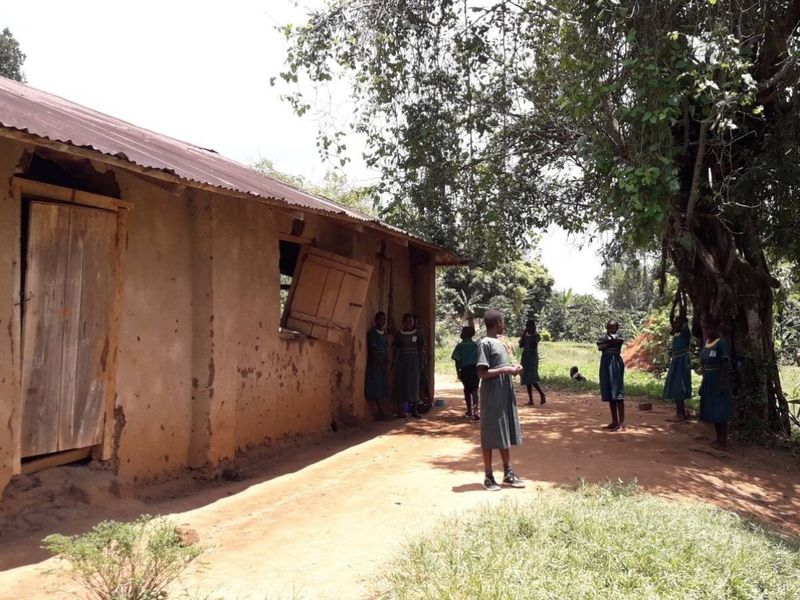
Most of the rural poor families do not have money and material resources
that they could use to support their households by providing nutritive
food, medication, and proper clothing for themselves and also providing
essential necessities to their own children in time of need.
The Solution
By providing pig farming, the poor families will be able to benefit
financial gains and profits to cater for the needs of their families.
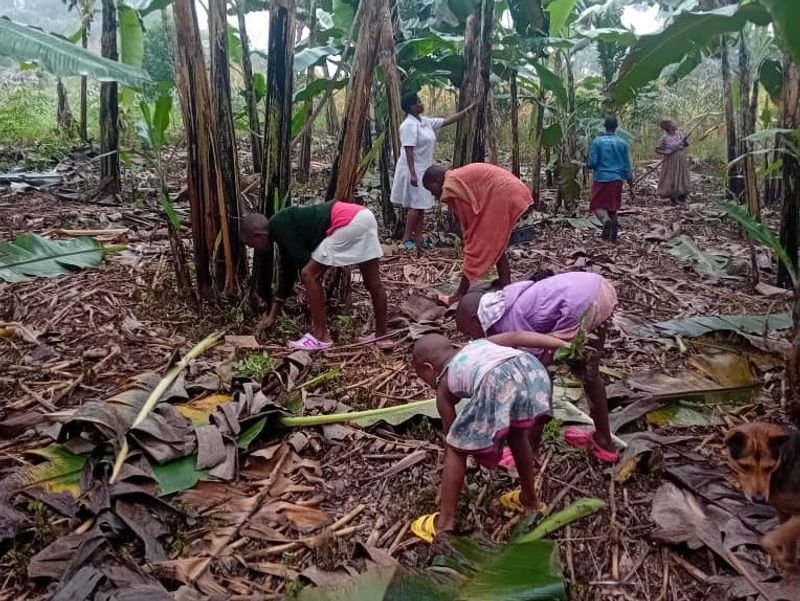
They will also improve their farming skills by using the pig wastes as
manure for their gardens. Source of compost for their gardens and in
the end, they will have vegetables and other foods. On this point, each
family that is going to benefit from this project will have at least 30
banana stem plantations whereby they will be putting the wastes of the
pigs.
Long-Term Impact
The project will have a long-term self-sustaining
effect in terms of solving problems that poor families face such as
financial strains, nutritive food, and good farming. Another reason for
keeping pigs is that families must try being more self-reliant. Working
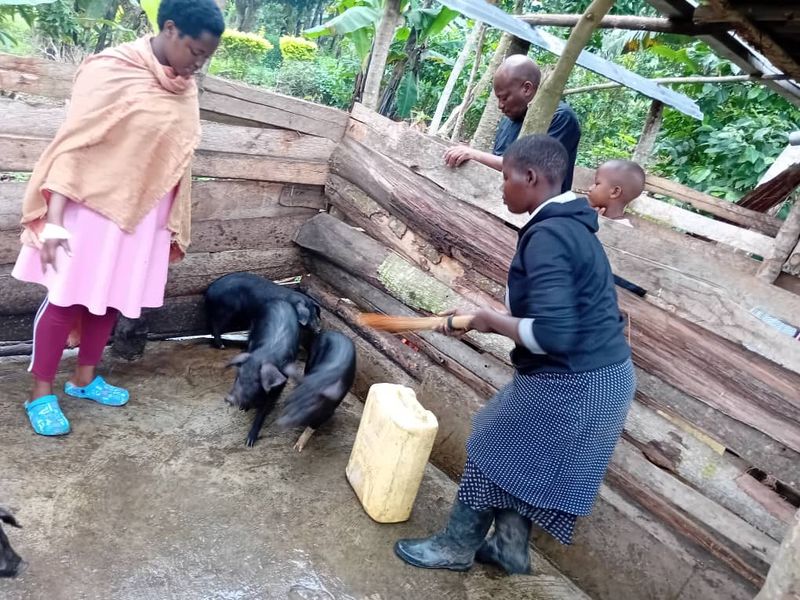
together as a family, in feeding pigs becomes a duty of everyone at
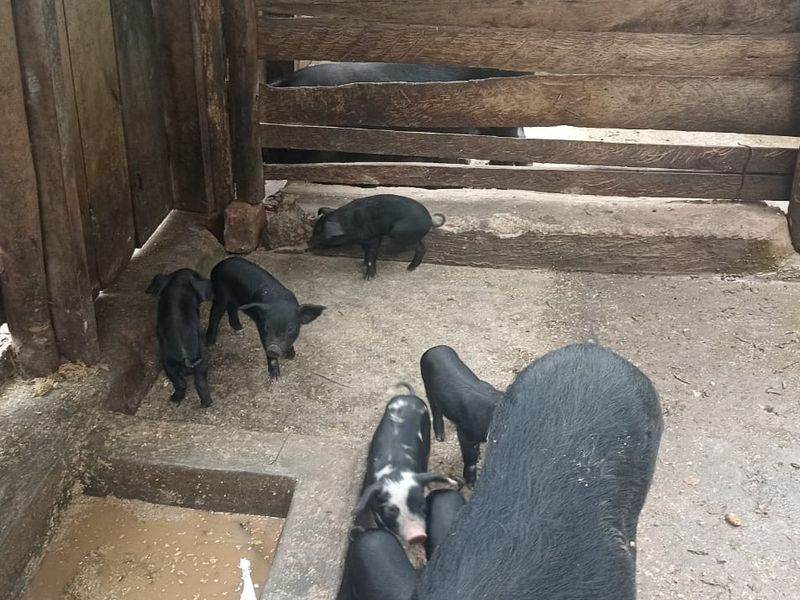
home. Once fed well every year they will have some pigs to sell. Pigs
can produce 10-12 piglets and within a year a pig can give birth two
times. Pigs are source of meat. Pigs reach slaughter weights when they
are 6 months old. This means that in a period of 6 months the poor
rural family will have something to sell. So, I feel that pig farming
is the best project that can easily up lift the living standard of my
people in the rural places of Binzi, Uganda. Teaching our children how to farm
pigs is a great way of helping the whole family to sustain themselves.
Everyone is involved, children and parents and guardians. This will
help teach our children the importance of caring for others and the
importance of being responsible. This is why, once this project has
taken shape, our children will get knowledge that they need and the
experiences they will remember to use in life.